LYRA Veterinary Laser
Smart Design. Reliable Results. Everyday Care.
Lyra is the world’s most innovative therapy laser for animals. With its exceptional power and wavelength coverage, it effectively addresses a wide range of health issues in small animals. Whether it's reducing inflammation, relieving pain, or accelerating healing, Lyra achieves faster and more effective results, providing a comprehensive and reliable solution for animal recovery.
- 26W Peak Power
- Ultra-Quiet Operation
- Clinic & Mobile Use Compatible
- Wide Species Compatibility
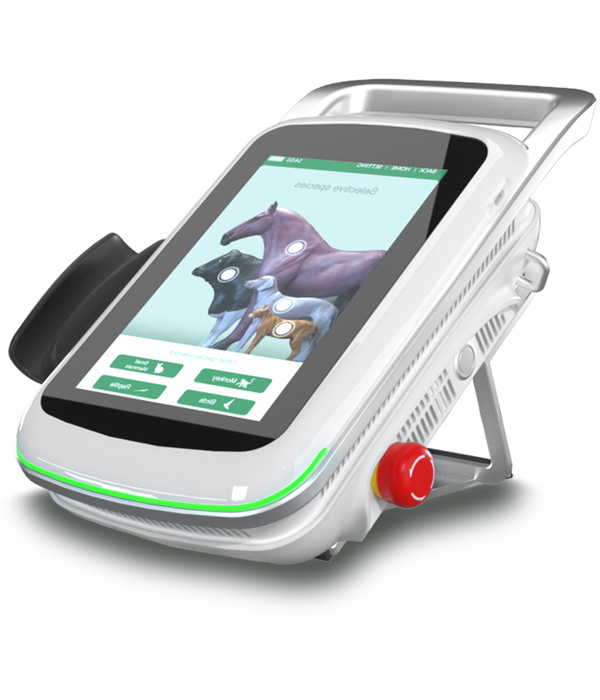
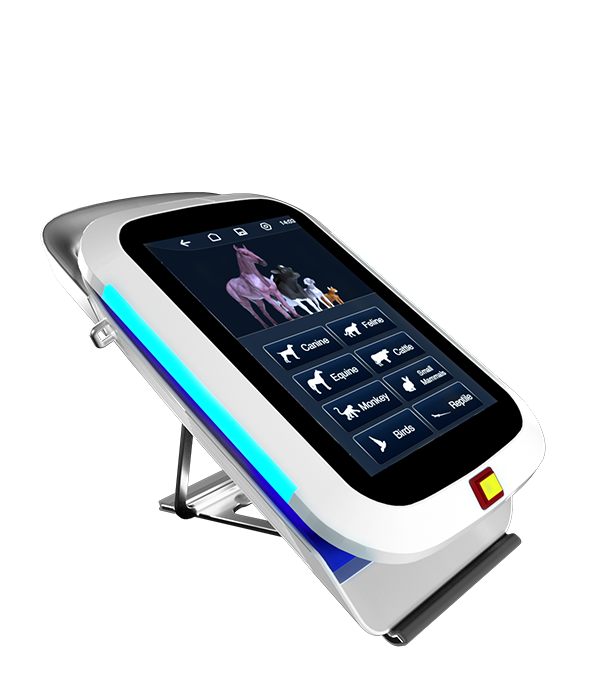
REX — Power to Heal. Precision for Professionals.
REX is a flagship veterinary laser system designed for high-demand clinical environments. With an impressive 58W peak power, intelligent energy control, and a proprietary multi-wavelength chip, REX delivers deeper penetration and faster results — whether in equine rehab, surgical recovery, or intensive pain management, REX is the ultimate tool for professionals who demand more.
Learn more- 58W Peak Power
- 4000+ Expert Proven Presets
- 3D Visual Guidance
- Calm Therapy Mode
- 10.1-inch HD Color Touchscreen
- Rechargeable Battery
- Lightweight & Travel-Friendly
- Extended Battery Life

Subscribe to our newsletter
Our passion for customer excellence is just one reason why we are the market leader. We've always worked very hard to give our customers the best experience.
Subscribe nowFrequently Asked Questions
What is laser therapy?

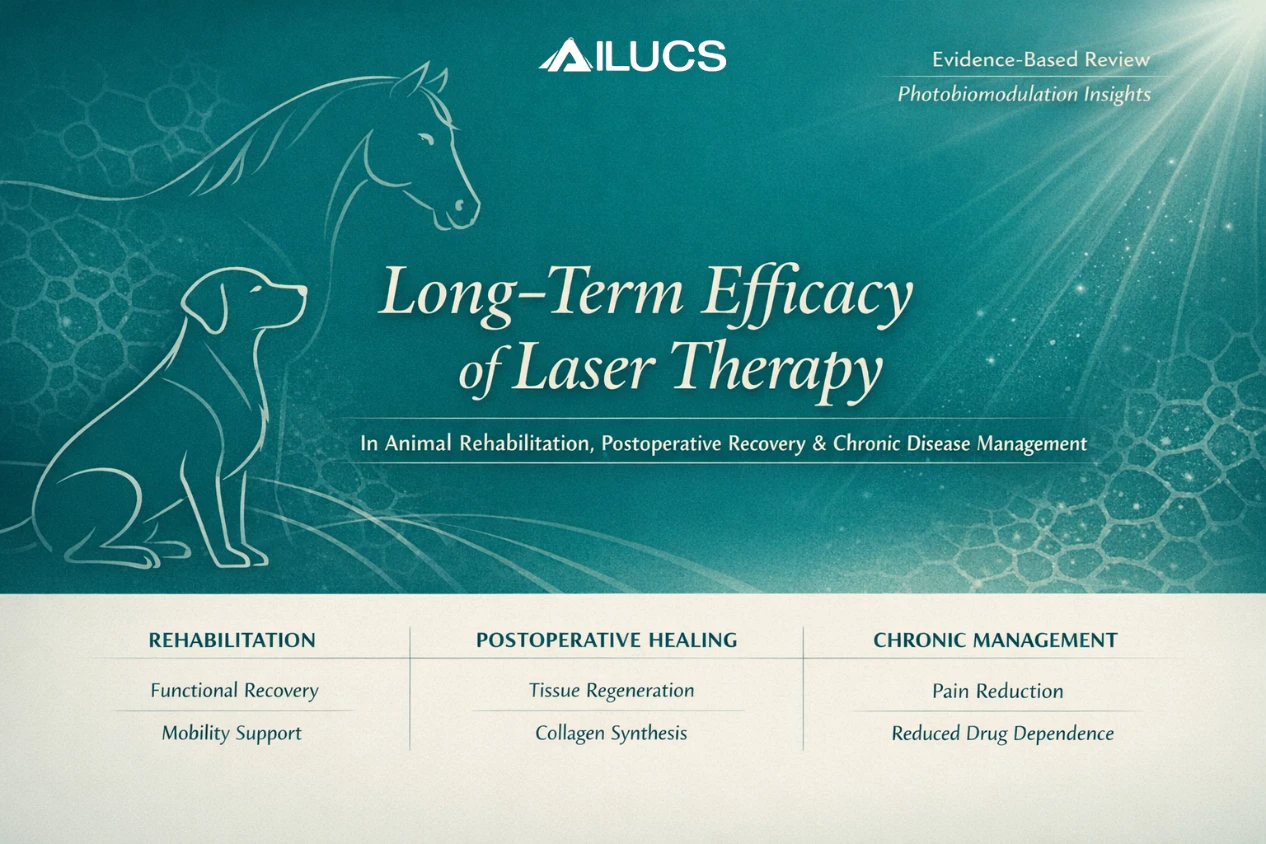
Long-Term Efficacy of Laser Therapy in Animal Rehab: Evidence & Clinical Guide
Discover the long-term benefits of Class IV laser therapy for animal rehabilitation, post-op recovery, and chronic pain. Evidence-based insights for veterinarians on efficacy and protocols.
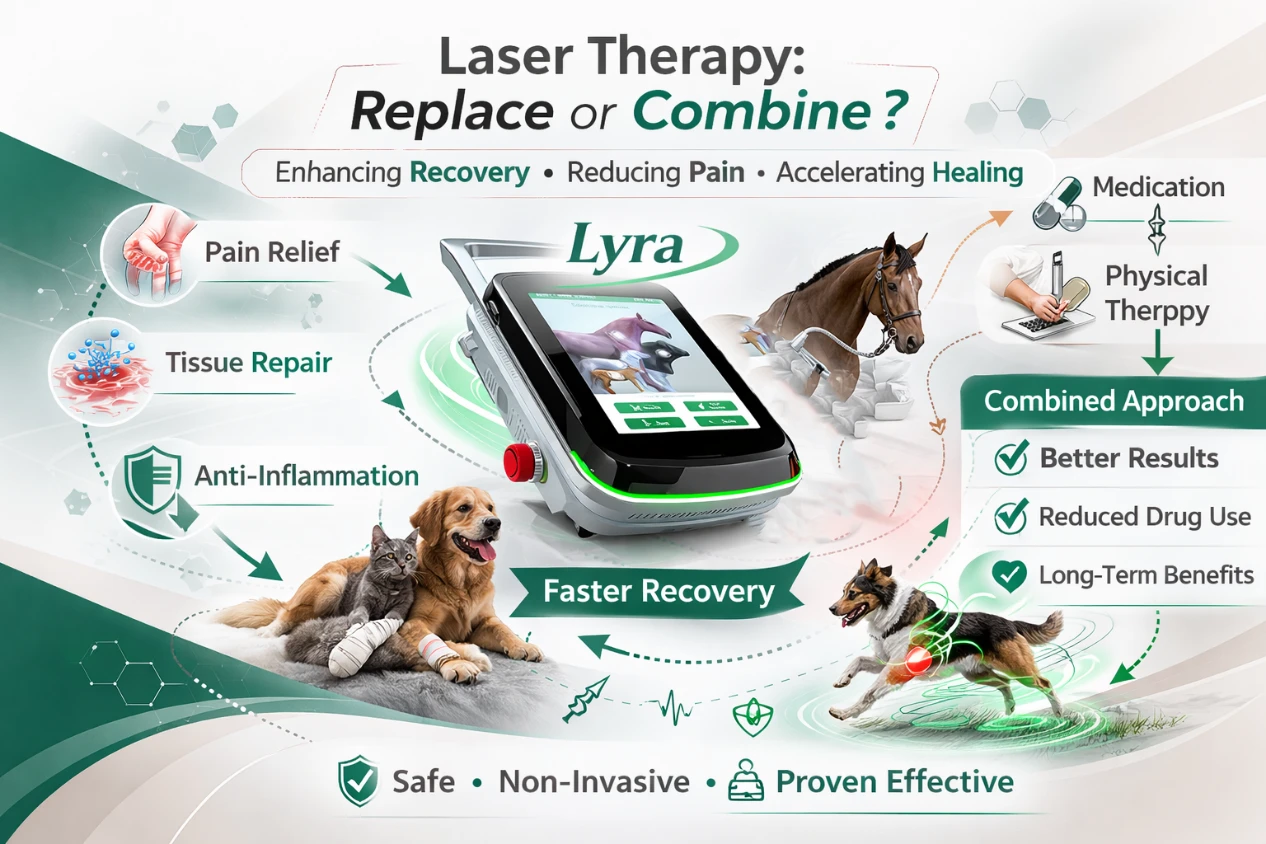
Can Laser Therapy Replace Medication and Physical Therapy? Combined Effects and Clinical Advantages Explained
This article explores whether laser therapy can replace medication or physical therapy, analyzing its combined clinical effects, advantages, and substitutive potential. Focusing on Class IV laser therapy for soft tissue injuries, arthritis, chronic pain, and post-op recovery, it clarifies laser therapy as a complementary tool rather than a full alternative to traditional treatments.
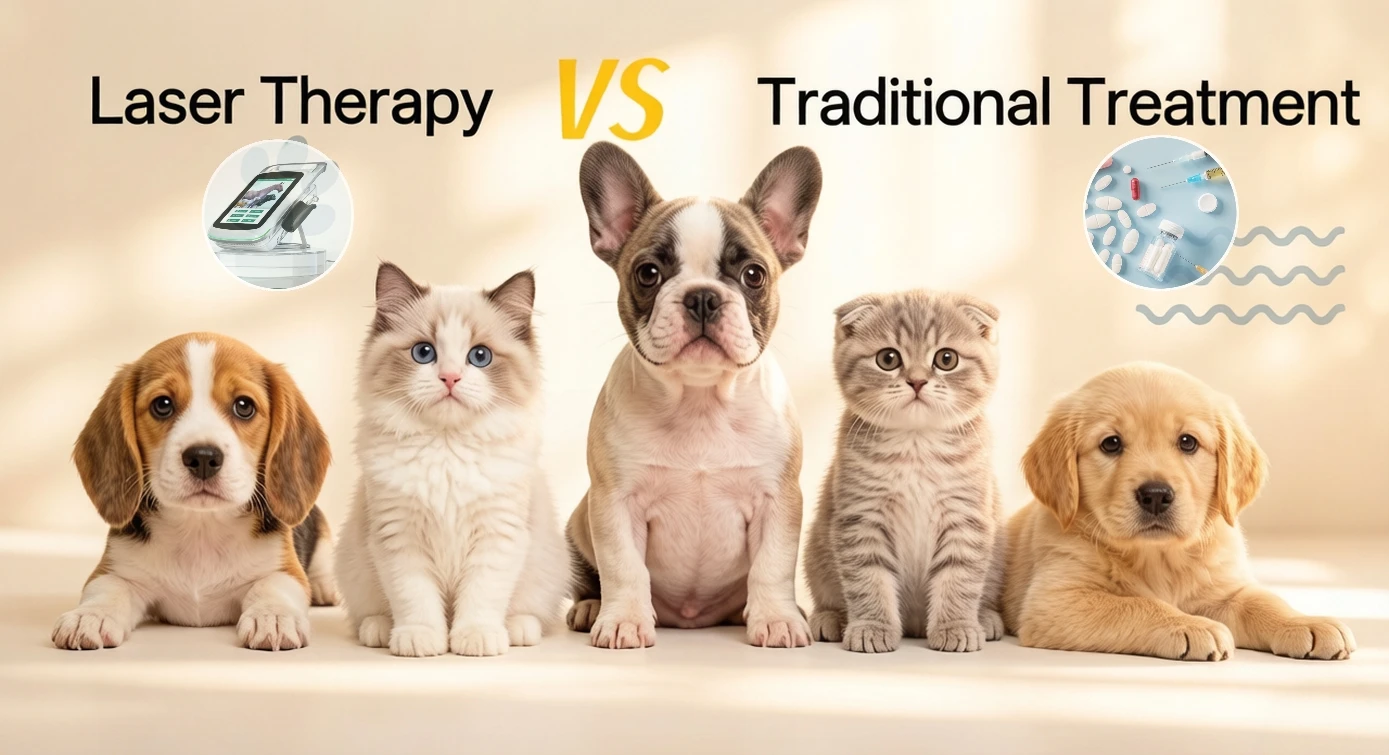
What Is Veterinary Laser Therapy? How Is It Different from Traditional Treatment?
Veterinary laser therapy is a non-invasive PBM treatment using red/near-infrared light to reduce pain, inflammation and speed tissue repair in animals. Unlike traditional invasive surgery/long-term medication, it lowers drug dependence, avoids anesthesia risks and shortens recovery. Used for osteoarthritis, post-surgical healing, it complements conventional vet treatments to improve outcomes and animal comfort.
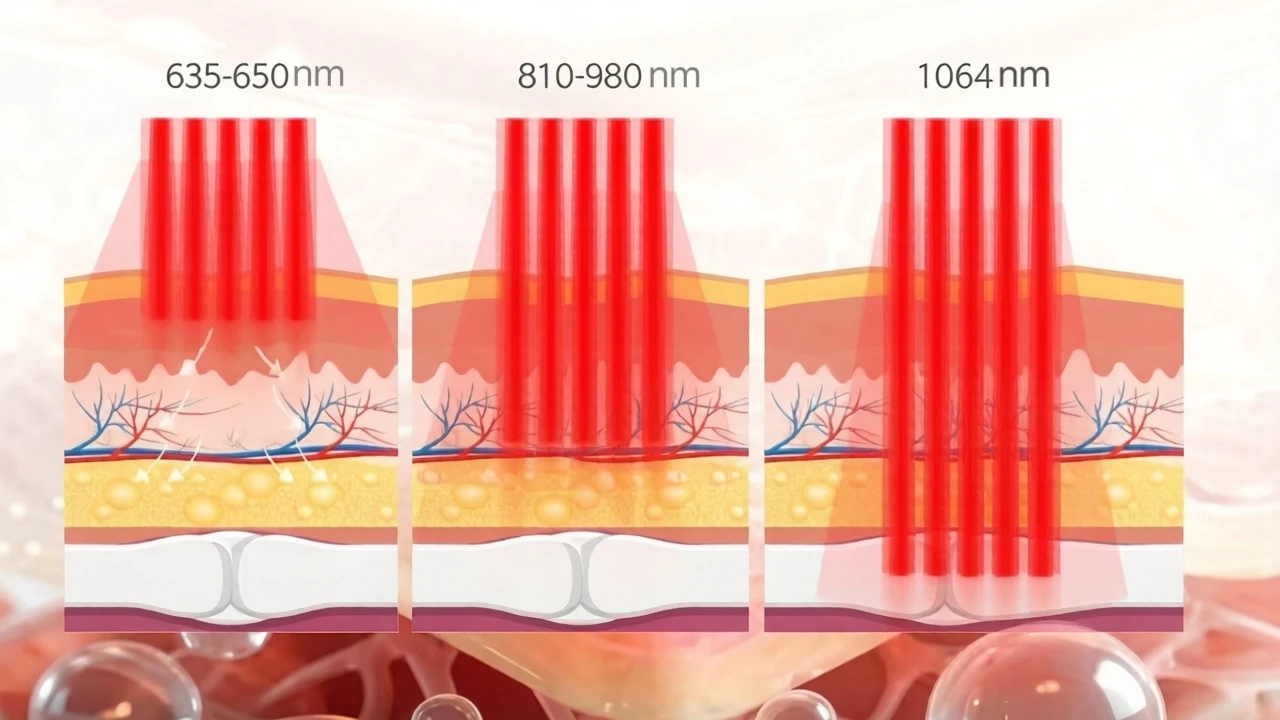
Why Wavelength Is Critical in Veterinary Laser Therapy
Veterinary laser therapy’s efficacy hinges on wavelength—determining tissue penetration and therapeutic targets. This article explores 635–650nm (superficial), 810–980nm (moderate-deep), 1064nm (deep) wavelengths, PBM mechanisms, and multi-wavelength systems like LYRA. It guides clinicians in selecting devices, emphasizing wavelength combinations for comprehensive small animal/equine treatments, boosting efficiency and outcomes.

How to Prepare Your Pet for Laser Therapy
Veterinary laser therapy is a safe, non-invasive treatment for pets to relieve pain, reduce inflammation and promote healing. This guide covers essential steps to prepare your pet for laser therapy—keeping treatment areas clean, avoiding unprescribed ointments, and ensuring calmness. It also explains what to expect during sessions, post-treatment care, signs requiring veterinary contact, and tips for long-term recovery with comprehensive treatment plans.
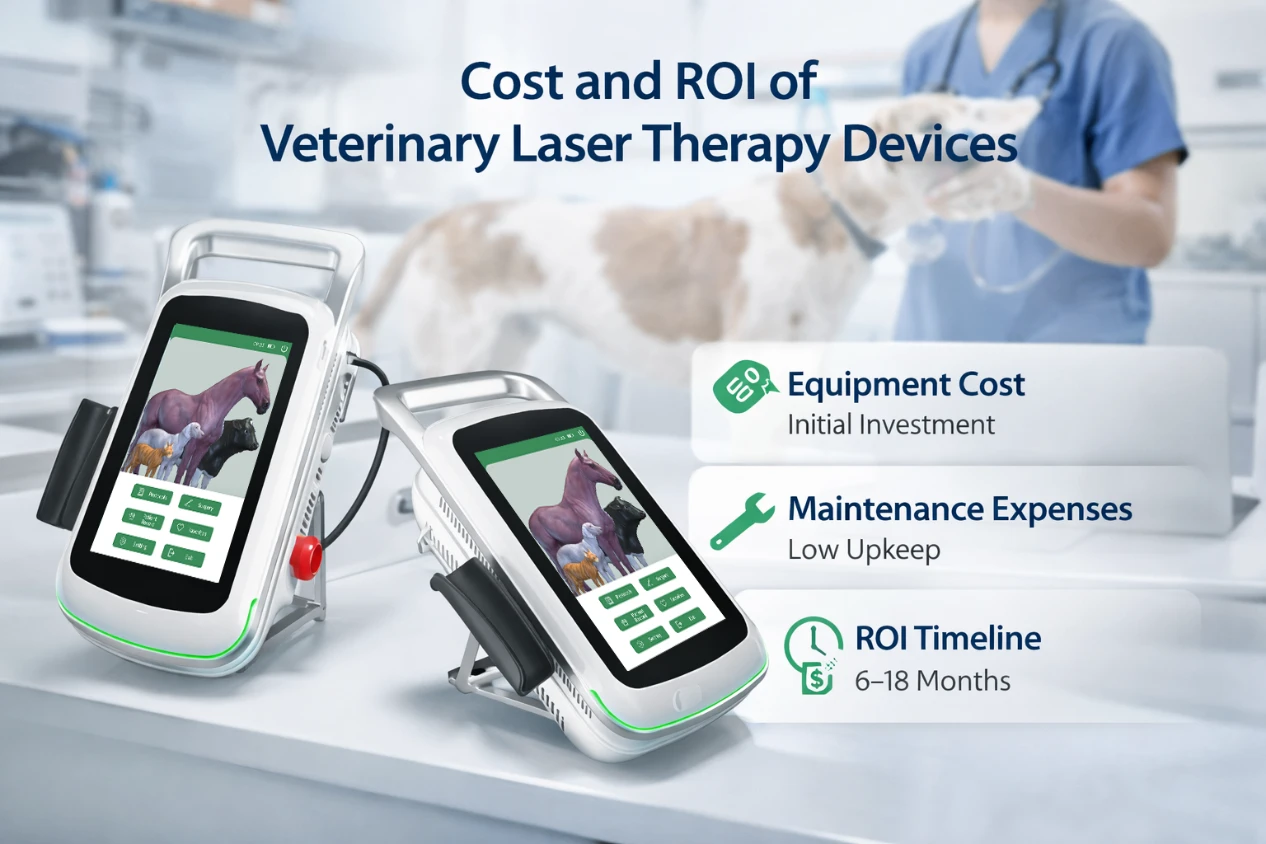
How Much Do Veterinary Laser Therapy Devices Cost?
Learn about Class IV veterinary laser therapy device costs, maintenance expenses, and ROI for clinics. Compare Class III vs. Class IV laser costs, low ongoing maintenance, and typical 6–18 month return on investment. Discover why veterinary laser therapy is a practical clinical and financial investment for modern animal care practices.
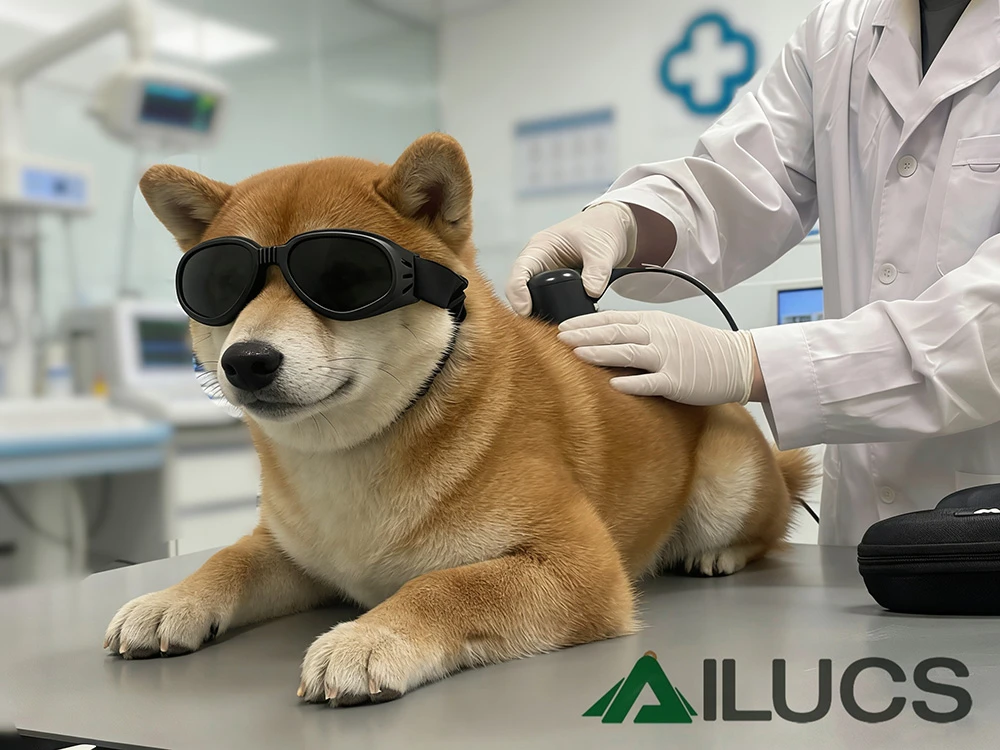
Class 3B vs Veterinary Class IV Lasers: A Scientific Guide to Veterinary Laser Therapy Selection
This scientific guide clarifies the core differences between Class 3B and Veterinary Class IV lasers for veterinary laser therapy, covering their power output definitions, photobiomodulation-based mechanisms of action and distinct clinical applications.
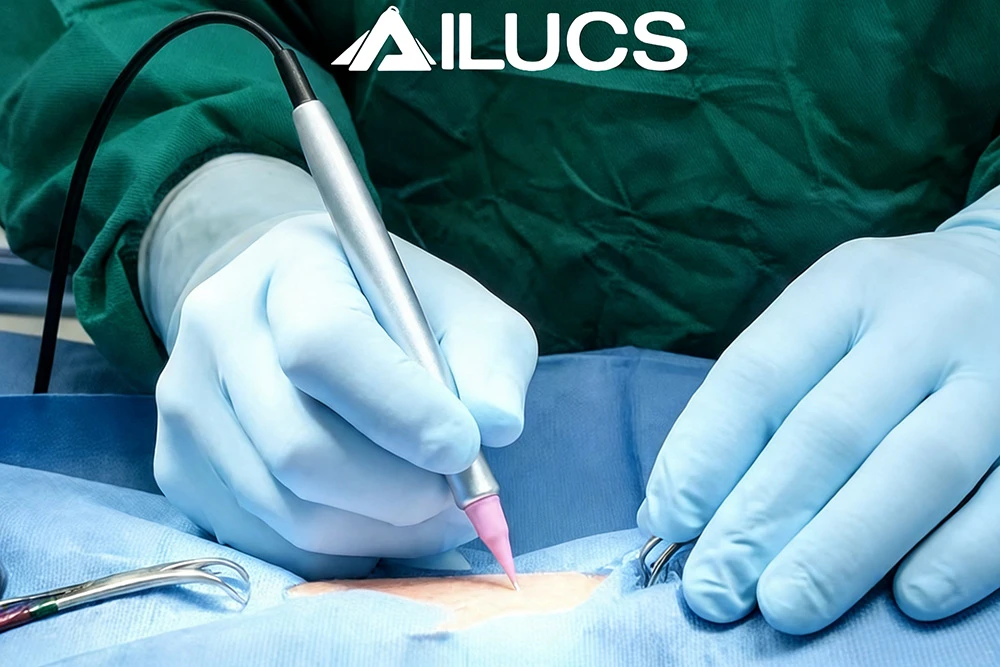
LYRA Laser Device: Full-Process Support from Laser Surgery to Postoperative Rehabilitation
As clinical cases become increasingly complex, the veterinary industry is placing higher demands on laser systems—favoring solutions that are portable, multi-wavelength, and capable of supporting multiple clinical scenarios.
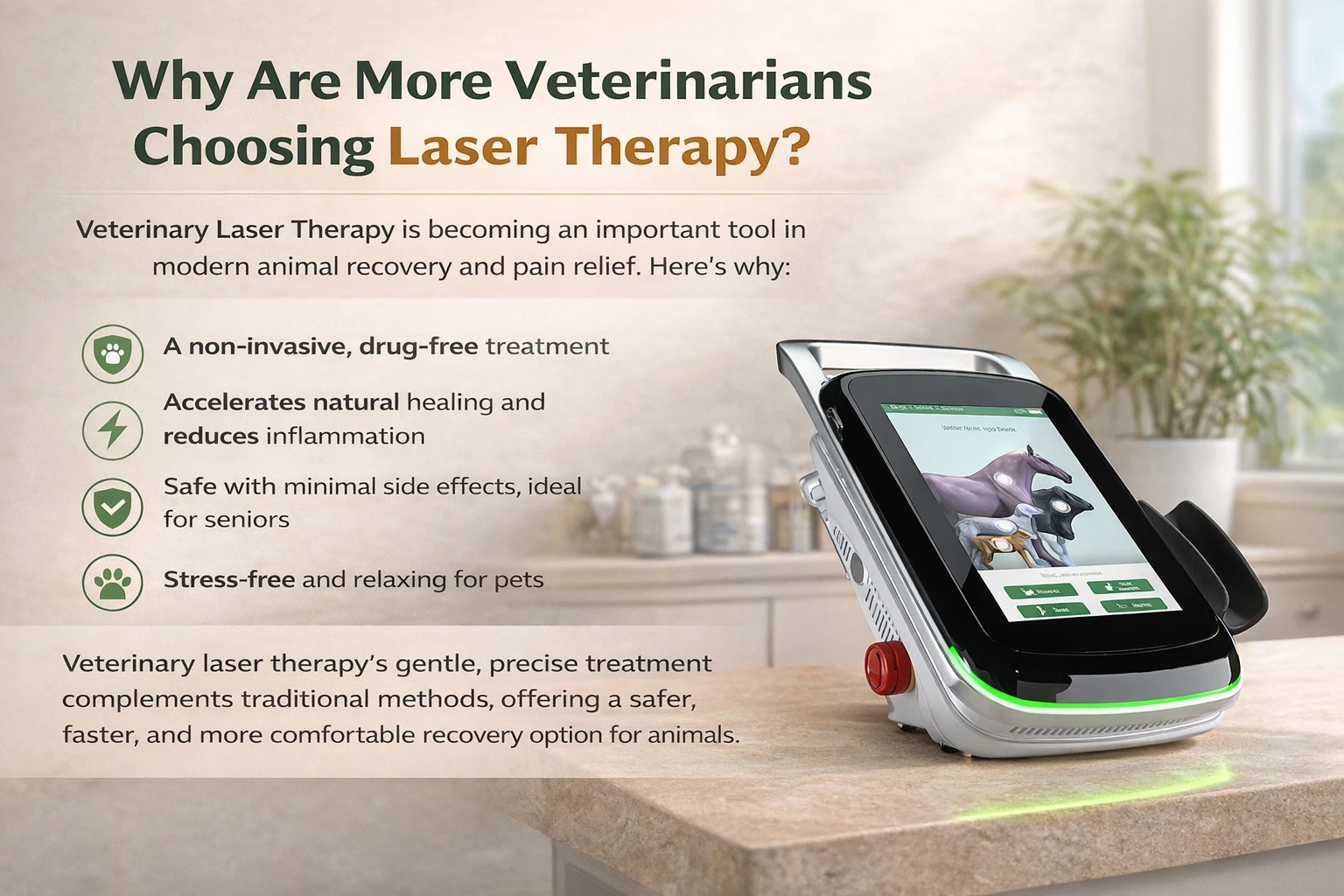
Why Are More Veterinarians Choosing Laser Therapy?
Why are more veterinarians choosing veterinary laser therapy? This non-invasive, drug-free treatment stimulates cellular repair, reduces inflammation & relieves pain for pets with soft tissue injuries, osteoarthritis & post-op recovery. A safe complementary option to traditional veterinary care.
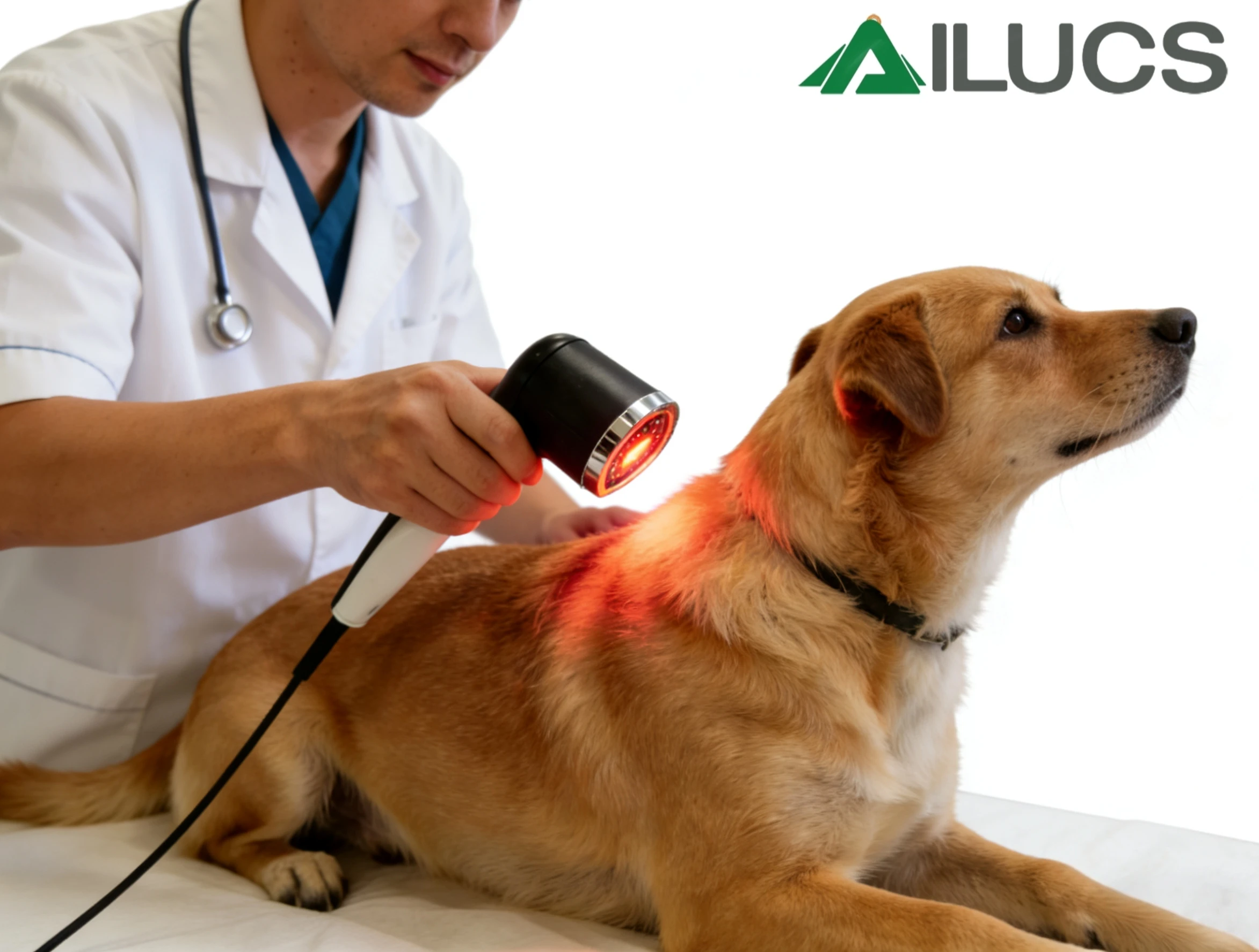
When is it suitable to use laser therapy after a pet is injured?
In modern veterinary medicine, Pet Laser Therapy has evolved from a purely “supportive rehabilitation option” into an integral component of multimodal treatment strategies. Whether addressing acute injuries, post-surgical recovery, or long-term management of chronic conditions, laser therapy serves different clinical purposes at different stages of healing.
